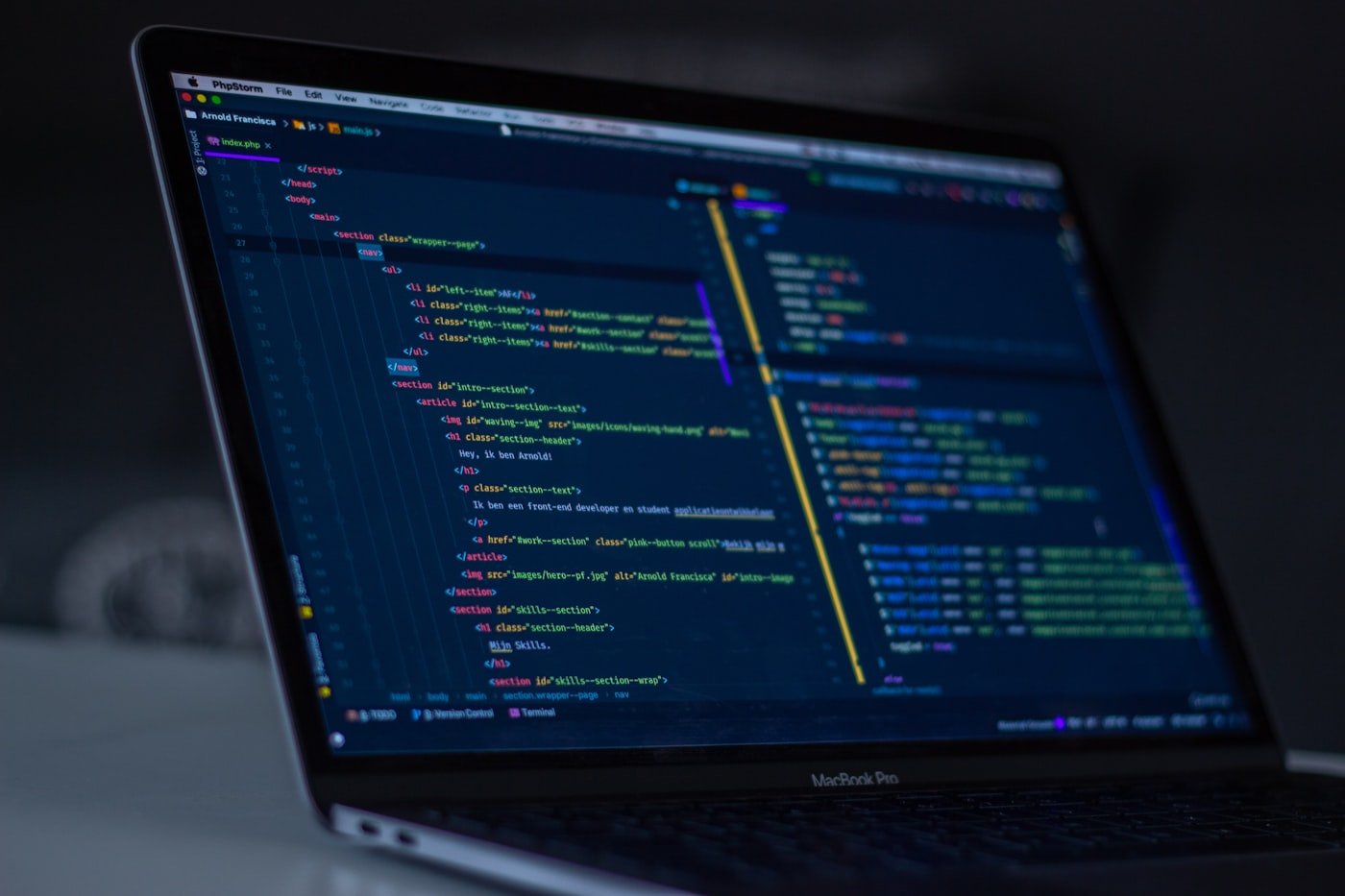
People keep asking is vibe coding bad—and the search volume for that question is rising fast. That is not a death signal. It is what happens when a trend crosses from Twitter jokes into real budgets, real deadlines, and real production incidents.

This article gives a clear, practical answer: vibe coding is not inherently bad, but it is easy to use badly. You will get an honest look at vibe coding pros and cons, when it helps, when it hurts, how to reduce ai generated code risks, and a safe path for vibe coding for beginners. We will also touch the bigger question: is vibe coding the future of software work—or only the future of prototyping?
Quick answer: is vibe coding bad?
No—if you treat it as an acceleration layer with review.
Yes—if you treat generated output as finished software.
Vibe coding is a method: describe intent, let an AI agent produce code, iterate quickly, and ship a working slice. Problems appear when teams skip specs, skip tests, skip security review, and confuse a demo with a product.
What vibe coding actually is (and is not)
Vibe coding usually means:
- Natural-language instructions instead of writing every line by hand
- Fast loops between prompt, preview, and refine
- Agents that edit multiple files
- Bias toward working software over perfect architecture on day one
It is not:
- A guarantee of correctness
- A replacement for product judgment
- A free pass on security, privacy, or maintainability
- Proof that nobody needs engineering skills anymore
If your mental model is “AI builds the company,” vibe coding will feel magical until it breaks. If your model is “AI compresses implementation time,” it becomes a durable advantage.
Vibe coding pros and cons
Pros
- Speed to first demo: Landing pages, CRUD apps, and internal tools appear in hours instead of weeks.
- Lower activation energy: Beginners can learn by shipping, not by configuring toolchains for three days.
- Broader participation: Designers, PMs, and founders can contribute working prototypes.
- Faster exploration: You can test three UX approaches before committing.
- Better leverage for seniors: Experienced engineers offload boilerplate and focus on hard edges.
Cons
- Hidden complexity: Generated code can look clean while encoding weak assumptions.
- Security gaps: Auth, secrets, validation, and authorization are common failure points.
- Debt acceleration: You can create months of cleanup in a weekend.
- False confidence: Fluent UI demos hide empty error handling.
- Skill atrophy risk: If you never read diffs, you cannot debug under pressure.
The balanced view of vibe coding pros and cons is simple: maximize exploration speed, minimize unsupervised production risk.
Where vibe coding is clearly good
- Hackathons and spikes
- Marketing sites and waitlists
- Internal admin panels with trusted users
- Throwaway experiments to validate demand
- Scaffolding tests, docs, and repetitive UI
- Refactor assistance inside a reviewed PR workflow
In these contexts, asking “is vibe coding bad” usually misses the point. The alternative is slower learning and fewer bets.
Where vibe coding is often bad
- Payments and billing logic without specialist review
- Healthcare, finance, or identity-heavy systems
- Multi-tenant authorization models
- Performance-critical paths
- Long-lived products with no owner who understands the code
- Compliance environments that require traceable design decisions
Here, AI can still help—but as a junior pair programmer, not as an unsupervised release engineer.
AI generated code risks you should take seriously
Common ai generated code risks include:
- Hardcoded secrets or weak secret handling
- SQL/command injection from naive string building
- Missing authz checks (“user can see other users’ data”)
- Over-permissive CORS and public endpoints
- Dependency bloat and abandoned packages
- Incorrect business rules that still “look right”
- Tests that assert implementation details, not behavior
- Licensing ambiguity when code is mixed from training patterns
Mitigations that actually work:
- Require diffs for every agent change
- Run SAST/dependency scans in CI
- Add threat modeling for auth and data flows
- Write acceptance tests before prompting for features
- Separate prototype branches from release branches
- Never deploy Friday-night agent output without review
Is vibe coding the future?
Partly yes. The industry is moving toward agentic workflows where humans specify outcomes and machines draft implementation. Search trends already show practical queries rising while meme queries fall.
But “is vibe coding the future” is the wrong absolute. A better framing:
- Future of prototyping: almost certainly
- Future of all production engineering: no, not alone
- Future of leverage for engineers: yes, if paired with review systems
Teams that win will combine vibe speed with engineering discipline—sometimes called harness engineering or agentic engineering. Generation gets cheap; verification becomes the scarce skill.
Vibe coding for beginners: a safe on-ramp
If you are exploring vibe coding for beginners, use this path:
- Pick a tiny project (habit tracker, portfolio, waitlist).
- Write a one-page brief before opening the agent.
- Build one user journey end-to-end.
- Read every diff even when you do not fully understand it yet.
- Break something on purpose, then fix it with the agent and with docs.
- Add one automated check (lint, unit test, or e2e smoke).
- Publish a demo, then rewrite the risky parts carefully.
Beginners get burned when they skip reading and shipping becomes superstition: “prompt again until green.”
A decision framework: use vibe coding or not?
Score your project 0–2 on each:
- Need a demo in under 7 days?
- Low sensitivity data?
- Reversible architecture choices?
- Someone can review generated code?
- Clear success metric for the experiment?
8–10: vibe coding is a strong default.
5–7: vibe coding with strict review gates.
0–4: use AI assistively, keep architecture human-led.
Team policy template (steal this)
- Agents may scaffold features behind feature flags
- No direct merge to main from agent sessions
- Security-sensitive files require human author tags
- Secrets never pasted into prompts
- Production incidents trigger a “no-agent freeze” until root cause is understood
Policy turns “is vibe coding bad” into “vibe coding is governed.”
Case patterns: good vs bad outcomes
Good: A founder vibe-codes an MVP waitlist + admin panel in a weekend, validates demand, then hires help to harden auth and billing.
Bad: A startup vibe-codes multi-tenant SaaS, launches paid plans, discovers cross-account data leaks, and spends months rebuilding trust.
Same method. Different boundaries.
How to get the upside without the disaster
- Separate exploration environments from production
- Keep portable code (standard frameworks, Git)
- Prefer small vertical slices over giant generations
- Demand explanations from the agent for risky changes
- Measure lead time and defect rate, not vibes
- Budget refactor time every week
This is how professionals answer “is vibe coding bad”: they redesign the workflow, not the hype cycle.
Content and distribution still matter
Even perfect code fails without distribution. If you build in public, keep a simple posting cadence so learning compounds. Vibe coding speeds creation; consistency speeds audience. Do not let tool debates replace shipping and storytelling.
Final verdict
So—is vibe coding bad? Not by default. It is powerful, uneven, and easy to misuse. Study the vibe coding pros and cons, respect ai generated code risks, use a beginner-safe path if you are new, and stop asking whether vibe coding is universally the future. Ask whether your project’s risk profile matches unsupervised generation.
At The Vibe Developers, we treat vibe coding as a method with seatbelts: fast loops, clear briefs, mandatory review, and production handoffs that adults would trust. Use it to move faster—not to think less.

FAQ
Is vibe coding bad for beginners?
It can be great for learning if beginners read diffs and ship small projects. It is bad if they paste unknowns into production.
What are the biggest vibe coding pros and cons?
Pros: speed, exploration, leverage. Cons: security gaps, debt, false confidence.
Is vibe coding the future of software engineering?
It is part of the future of implementation speed. Verification, architecture, and product judgment remain human-critical.
How do I reduce AI generated code risks?
Diff review, tests, dependency scanning, least-privilege auth, and separating prototype branches from release.
Should companies ban vibe coding?
Usually no. Govern it. Ban unsupervised production changes, not learning and prototyping.
Leave a Reply